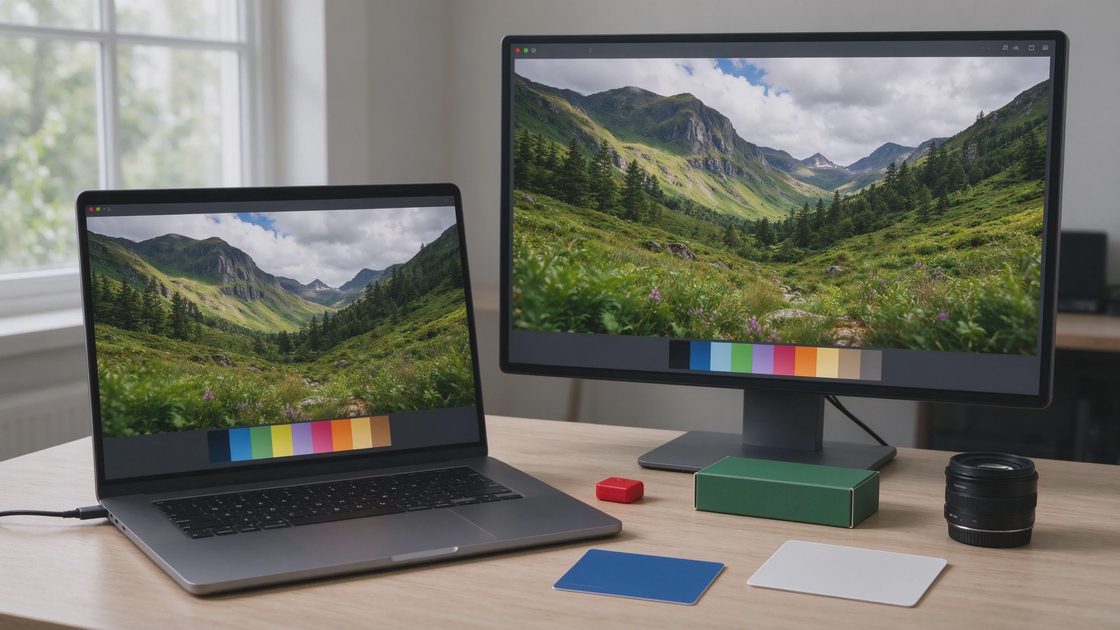
Down here in my Boise workshop, I spend my days tearing down laptops, checking thermals, and measuring real-world performance so you don't have to waste your hard-earned money. For years, tech media has regurgitated manufacturer press releases, praising core counts and AI buzzwords without checking how devices actually behave under daily ownership. That frustration is exactly why Modern Tech Rig exists. We are here to cut through the marketing fog and give you honest, practical answers on ASUS hardware, portable gaming, and local computing.
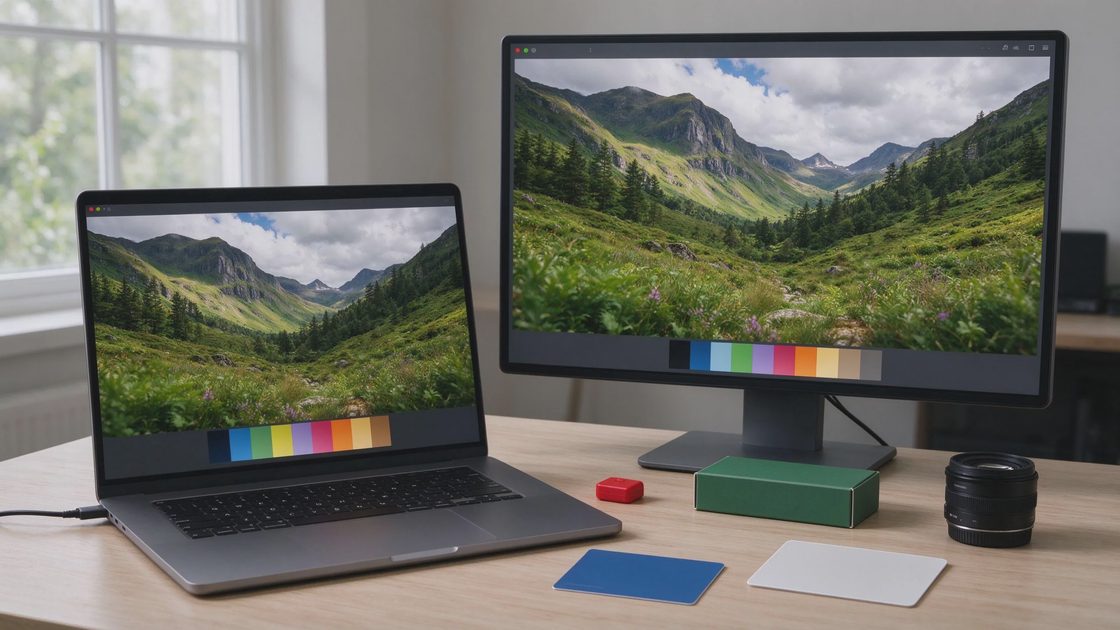
Beyond Spec-Sheet Hype: Why Independent Hardware Testing Matters
The technology landscape is saturated with glossy spec sheets boasting impossible core frequencies, massive thermal dissipation claims, and revolutionary artificial intelligence capabilities that sound incredible on presentation slides. When you read manufacturer launch materials, every new laptop or handheld is portrayed as an unmitigated masterpiece that will effortlessly transform your daily productivity and gaming life. Unfortunately, living with these devices in the real world often reveals a starkly different reality plagued by thermal throttling, noisy fan profiles, and fragile hinges.
Independent hardware testing fills the vital gap between corporate marketing departments and everyday consumers who just want reliable tools that work as advertised. Having spent years diagnosing workstation failures and repairing mobile systems for creative clients in Idaho, I have learned that corporate benchmarks rarely reflect what happens when you run twenty browser tabs, compile code, and render video simultaneously. Real-world ownership involves dust buildup, driver updates that break peripheral connectivity, and battery degradation over hundreds of charge cycles.
This publication was founded on the simple premise that buyers deserve transparent, rigorous evaluations conducted through actual daily use rather than sterile laboratory conditions. We test how equipment behaves after a week of heavy commuting, how thermal pastes hold up under sustained stress, and whether software suites like Armoury Crate actually improve your experience or just clutter your system tray. Our goal is to arm you with objective insights so you can make confident purchasing decisions without falling victim to hype.
The Shift to Edge AI and Local Computing Realities
We are currently standing in the middle of a massive architectural shift away from cloud-dependent computing toward decentralized edge artificial intelligence and local hardware inference. For the past several years, utilizing advanced language models and automated agents required routing your private data through remote server farms owned by massive technology conglomerates. While powerful, this cloud-centric model introduces recurring subscription fees, severe privacy vulnerabilities, and noticeable latency issues whenever internet connectivity fluctuates.
Modern ASUS hardware is spearheading a hardware evolution by integrating dedicated Neural Processing Units (NPUs) and high-performance graphics accelerators directly into consumer laptops and creator systems. These specialized silicon engines allow everyday users to run complex AI models, speech recognition tools, and local coding assistants completely offline without transmitting private documents across the internet. It represents a return to local data ownership where your machine belongs entirely to you and your private workflows remain strictly confidential.
However, separating genuine technological progress from superficial artificial intelligence marketing requires careful, methodical testing under repeatable conditions. Many systems sport glowing AI stickers on their palm rests while offering NPU capabilities that provide zero tangible benefit to standard office applications or casual gaming workflows. We test these processors rigorously to determine whether local inference speeds justify the hardware premium or if you are simply paying a tax for an emerging buzzword.
ROG Handhelds and the Evolution of Portable Gaming
Portable gaming has undergone a dramatic renaissance over the past few years, transforming from a fringe hobby dominated by retro emulators into a primary gaming platform for millions of players. The introduction of powerful custom mobile APUs has made it possible to run modern AAA blockbusters in the palm of your hand while sitting on an airplane or relaxing on the couch. Devices like the ROG Ally series have pushed portable boundaries, proving that players no longer need to compromise between performance and mobility.
Despite their incredible potential, portable Windows gaming consoles present unique ownership challenges that require dedicated technical guidance and practical optimization. Managing handheld firmware updates, balancing thermal profiles, and tweaking battery limits to squeeze extra minutes of playtime out of a mobile battery cell can feel overwhelming for casual users. Without proper guidance, players often experience frustrating frame drops, erratic power throttling, and confusing controller mapping bugs that ruin otherwise great gaming sessions.
Our ROG Field Play category is built specifically to address these everyday portable gaming hurdles through hands-on setup guides and uncompromising hardware evaluations. Whether we are comparing Windows handheld ecosystems against Linux appliances, building custom power profiles, or testing portable docks, our focus remains squarely on practical usability. We want to ensure your portable gaming investment delivers maximum enjoyment from the moment you unbox it.
Creator Hardware and Real-World Workstation Demands
Professional content creators, video editors, 3D animators, and engineering students demand hardware that can withstand brutal, multi-hour rendering pipelines without buckling under thermal stress. The ASUS ProArt and high-end creator lineups are specifically engineered to meet these demanding professional requirements, combining high-resolution OLED panels with robust multi-core processing architecture. These machines serve as mobile digital workshops for independent creators working on tight deadlines across the United States.
Evaluating creator hardware requires looking beyond synthetic benchmark scores to examine real-world application performance in industry-standard software packages like Adobe Premiere Pro, Blender, and CAD suites. A laptop might post impressive numbers in a sterile benchmark tool, but if its color accuracy drifts during long editing sessions or its fan noise disrupts audio recording, it fails the professional test. We evaluate these professional systems under actual studio conditions to ensure they meet the rigorous demands of working creatives.
Furthermore, we examine how these mobile workstations integrate with emerging local AI editing suites and high-speed peripheral ecosystems to streamline professional workflows. By separating marketing exaggeration from verifiable performance, we help freelance designers and engineering professionals select workstation laptops that enhance their productivity rather than creating unexpected bottlenecks in the middle of a major proj
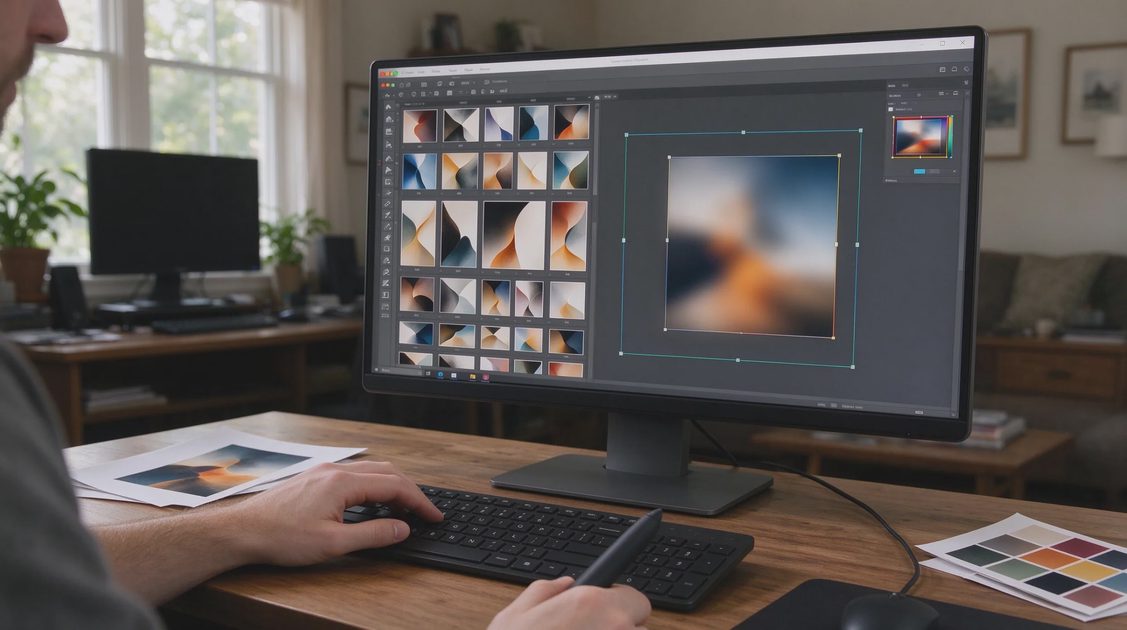
ect.
Cutting Through the Marketing Fog: Our Testing Methodology
Trust is earned through transparency, consistency, and a willingness to admit when a hyped piece of technology fails to deliver on its corporate promises. At Modern Tech Rig, every review and guide is grounded in repeatable testing conditions, explicit firmware versions, and carefully monitored power profiles rather than subjective impressions. When we report on battery life, fan noise, or thermal limits, we document the exact settings and environmental factors present during our evaluation.
We refuse to repeat corporate marketing copy as established fact or accept manufacturer sponsorship that compromises our editorial independence. If an ASUS laptop runs hot, suffers from weak battery life, or features annoying software bloatware, we state those flaws clearly in the pros and cons breakdown. Our readers rely on us for unvarnished truth, and we take pride in delivering honest verdicts that put your financial interests above corporate appeasement.
This rigorous commitment to independent testing ensures that whether you are researching a high-end creator laptop, an esports gaming monitor, or a home Wi-Fi router, you receive objective advice. We distinguish clearly between features that are genuinely useful and those that are merely interesting gimmicks designed to inflate retail pricing. Your trust is our most valuable asset, and we protect it with every article we publish.
The Modern Tech Rig Editorial Promise to U.S. Readers
As we continue expanding our comprehensive library of in-depth guides and hardware reviews, our core editorial mission remains entirely focused on the needs of American technology buyers. We understand the local market landscape, pricing structures, and retail availability patterns across major U.S. suppliers like Best Buy, Amazon, and official brand stores. Every piece of content we produce is tailored to help you navigate this complex hardware ecosystem with total confidence.
We invite you to treat this publication as your trusted technical neighbor—someone who has already configured the machine, encountered its quirks, fixed its bugs, and measured the final result. Whether you are an engineering student choosing your first university laptop, an avid gamer configuring a portable console, or a creator exploring local AI tools, we are here to help. The spec sheet tells you what hardware can do; our setup guides ensure you actually enjoy using it.
Thank you for joining us on this independent publishing journey as we build a community centered on honest hardware testing and practical ownership knowledge. Dive into our core categories, explore our step-by-step optimization guides, and feel free to join the conversation across our community channels. Together, let's cut through the marketing noise and build a smarter technology setup for your everyday life.



No signals yet — transmit the first.